

Ready by 12:34pm Aug 2, 2026
Primary vs Secondary Research: Which Should You Use?
Primary research means collecting new data yourself, through surveys, interviews, or experiments. Secondary research means using data that already exists, such as journals, reports, and datasets. Neither is better. The right choice depends on your question, your academic level, and your time. Undergraduates often use secondary, master’s students often use primary or a mix.
This is one of the first big decisions in any dissertation, and it changes your whole timeline. Choosing well early saves months. The good news is that it is not about which type is more impressive. It is about which fits your question and your situation.
What is primary research?
Primary research is data you collect yourself, for your specific question. Nobody has gathered it before you. It gives you control and originality, but it costs time and depends on other people.
- Surveys, for measuring attitudes or behaviour across a group.
- Interviews, for understanding experiences in depth.
- Experiments, for testing how one change affects a result.
- Observations, for recording what people actually do.
What is secondary research?
Secondary research uses data that already exists, gathered by someone else. You analyse it for your own question. It saves time and gives you access to large, reliable datasets, but the data was collected for someone else’s purpose, so you have to defend why it answers yours.
- Journal articles and academic books.
- Government and official statistics.
- Company reports and financial data.
- Existing datasets and previous studies.
What is the difference at a glance?
| Primary research | Secondary research | |
|---|---|---|
| Who collects the data | You do | Someone else already did |
| Main strength | Original, fits your question exactly | Fast, large, reliable datasets |
| Main cost | Time, recruitment, ethics approval | Data was gathered for another purpose |
| Typical level | Often master’s and above | Common at undergraduate |
| Ethics approval | Usually needed | Usually not needed |
Which should you choose?
The honest answer is that it depends on three things: your question, your level, and your time. Work through them in order.
- Your question. If it asks how people experience something, or needs data that does not exist yet, you need primary research. If it can be answered from existing data, the secondary is faster and just as valid.
- Your level. Undergraduate dissertations often expect secondary research. Master’s dissertations often encourage primary or a mix. Check your brief.
- Your time and access. Primary research means recruiting people, waiting for responses, and getting ethics approval. If you cannot realistically do that in your time frame, secondary is the sensible choice.
How does your academic level affect the choice?
Your level shapes what is expected, so it is worth knowing the general pattern before you decide.
Undergraduate dissertations are often built on secondary research, because the focus is on showing you can find, analyse, and synthesise existing work well. Primary research is allowed, but it is not usually required, and a strong secondary dissertation is perfectly acceptable.
Master’s dissertations more often encourage primary research or a mix, because the expectation shifts towards producing something of your own. That said, a secondary master’s dissertation can still score highly if the question genuinely suits existing data. Always read your brief, because the requirement varies by course and this is not a rule to guess at.
Can you use both?

Yes, and many strong dissertations do. This is called mixed methods, and it works when your question genuinely has two parts, for example measuring a pattern with secondary data and then explaining it with your own interviews.
The warning is that mixed methods double the work, and a marker will ask what the combination achieved. Only choose it because your question needs both, not because it sounds more thorough. Two methods done well beat two methods done to fill space.
What are examples of each in practice?
Concrete examples make the choice clearer than definitions do. The same broad topic can be studied either way, depending on your question.
Take customer loyalty. A primary approach would survey shoppers directly about why they stay with a brand, giving you fresh, specific data you control. A secondary approach would analyse existing loyalty studies and published company data, giving you a large evidence base without collecting anything yourself. Neither is more valid. The survey suits a question about current attitudes in a specific group. The secondary study suits a question about broad patterns across many firms. Your question decides which example fits you.
Does primary research score higher?
No. This is one of the most common myths, and it leads students into projects they cannot finish. A well executed secondary research dissertation scores higher than a primary one with a tiny sample and a rushed analysis. Markers reward the quality of the research, not the difficulty of collecting it.
What matters is choosing the right method for your question and doing it well. If your topic is still forming, our guide to choosing a dissertation topic helps you get there, and dissertation support can look at your method before you commit.
What are the pros and cons of each?
Seeing the trade offs side by side makes the choice clearer. Neither wins outright. Each suits different questions and situations.
| Primary research | Secondary research | |
|---|---|---|
| Pros | Original, fits your exact question, current | Fast, cheap, large reliable datasets |
| Cons | Slow, needs ethics approval and recruitment | Not collected for your question, may be dated |
| Time cost | High | Lower |
| Best when | You need data that does not exist yet | Good data already exists for your question |
How do you decide in practice?
Work through three quick checks and the answer usually appears on its own.
- Does the data you need already exist and can you reach it? If yes, the secondary is faster and just as valid.
- Does your question ask how people experience something in their own words? If yes, you likely need primary.
- Do you have time for recruitment and ethics approval? If not, secondary is the sensible choice.
The common mistake is choosing primary research to look thorough, then running out of time when responses do not arrive. Choose the method that fits your question and your calendar, not the one that sounds most impressive.
How does your choice affect your timeline?
This is the practical reason the decision matters so much. Primary and secondary research produce very different timelines, and choosing without thinking about time is how students end up in trouble.
Primary research front loads the work. You have to design your instrument, get ethics approval, recruit people, wait for responses, and only then start analysing. If responses are slow, your whole timeline slips, and you cannot control that. Secondary research lets you start analysing almost immediately, because the data already exists. For a student on a tight deadline, that difference can be the deciding factor on its own. Whichever you choose, map the timeline backwards from your deadline before you commit, so you know the plan is actually possible in the weeks you have.
Frequently asked questions
What is the difference between primary and secondary research?
Primary research is data you collect yourself, through surveys, interviews, or experiments. Secondary research uses data that already exists, such as journals, reports, and datasets.
Which is better for a dissertation?
Neither is better. The right choice depends on your question, your academic level, and your time. Undergraduates often use secondary, master’s students often use primary or a mix.
Does primary research get higher marks?
No. A well done secondary research dissertation beats a primary one with a weak sample. Markers reward the quality of the research, not how hard the data was to collect.
Do I need ethics approval?
Usually for primary research involving people, yes. Secondary research using existing data usually does not need it. Check your department rules.
Can I use both in one dissertation?
Yes, called mixed methods. It works when your question genuinely has two parts, but it doubles the work, so only choose it if the question needs both.
Popular posts

What Do UK University Markers Actually Look For?
May 22, 2026
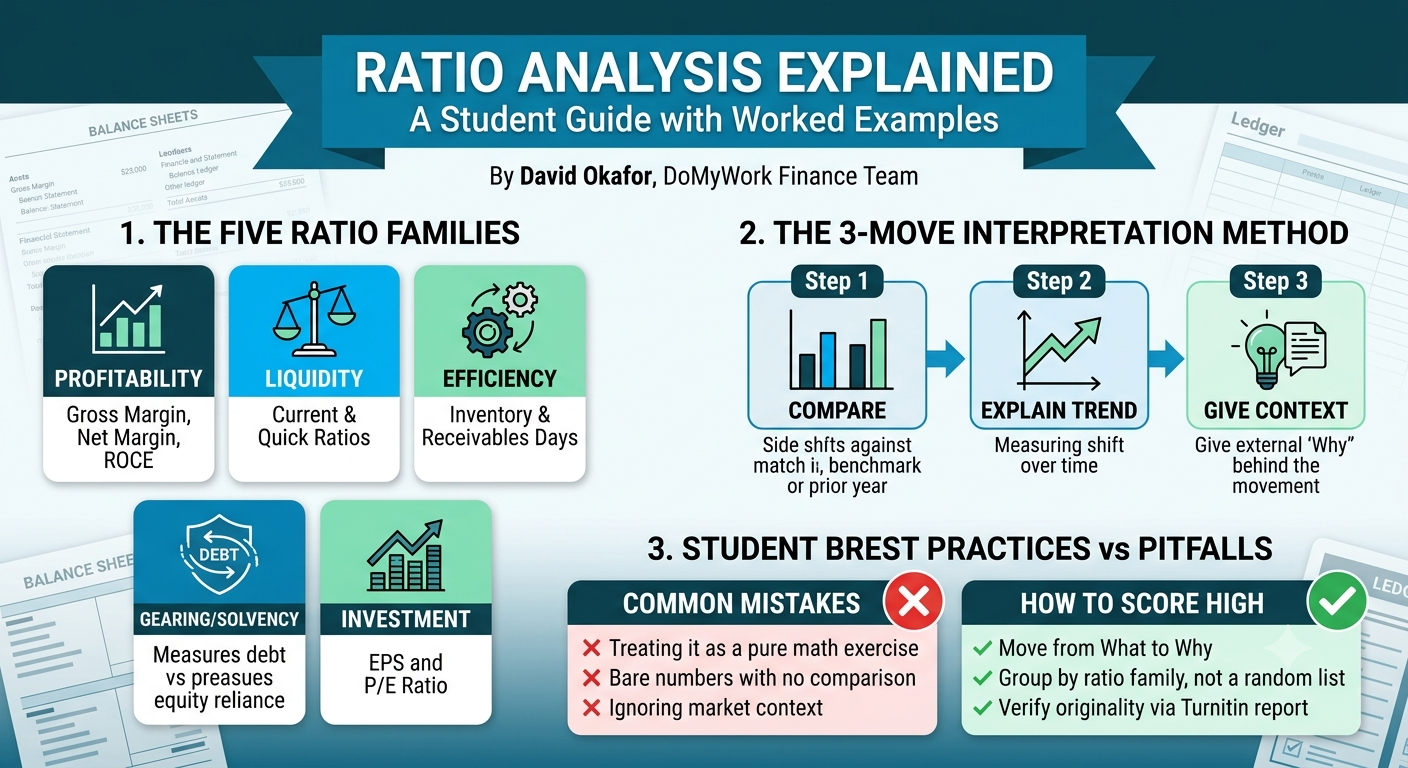
Ratio Analysis Explained: A Student Guide With Worked Examples
July 14, 2026
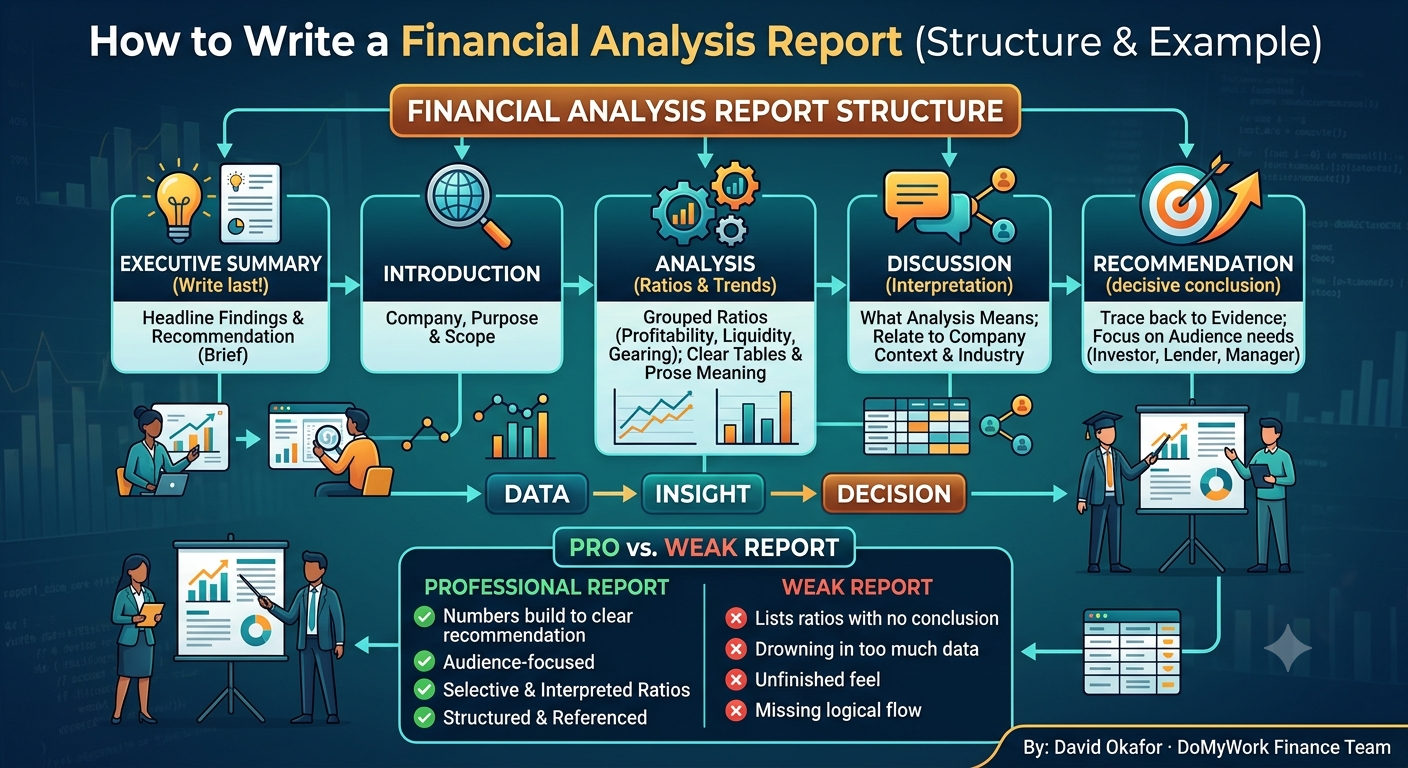
How to Write a Financial Analysis Report (Structure and Example)
July 13, 2026

How Student Content Creators Can Get Paid Brand Deals in 2026
March 23, 2026
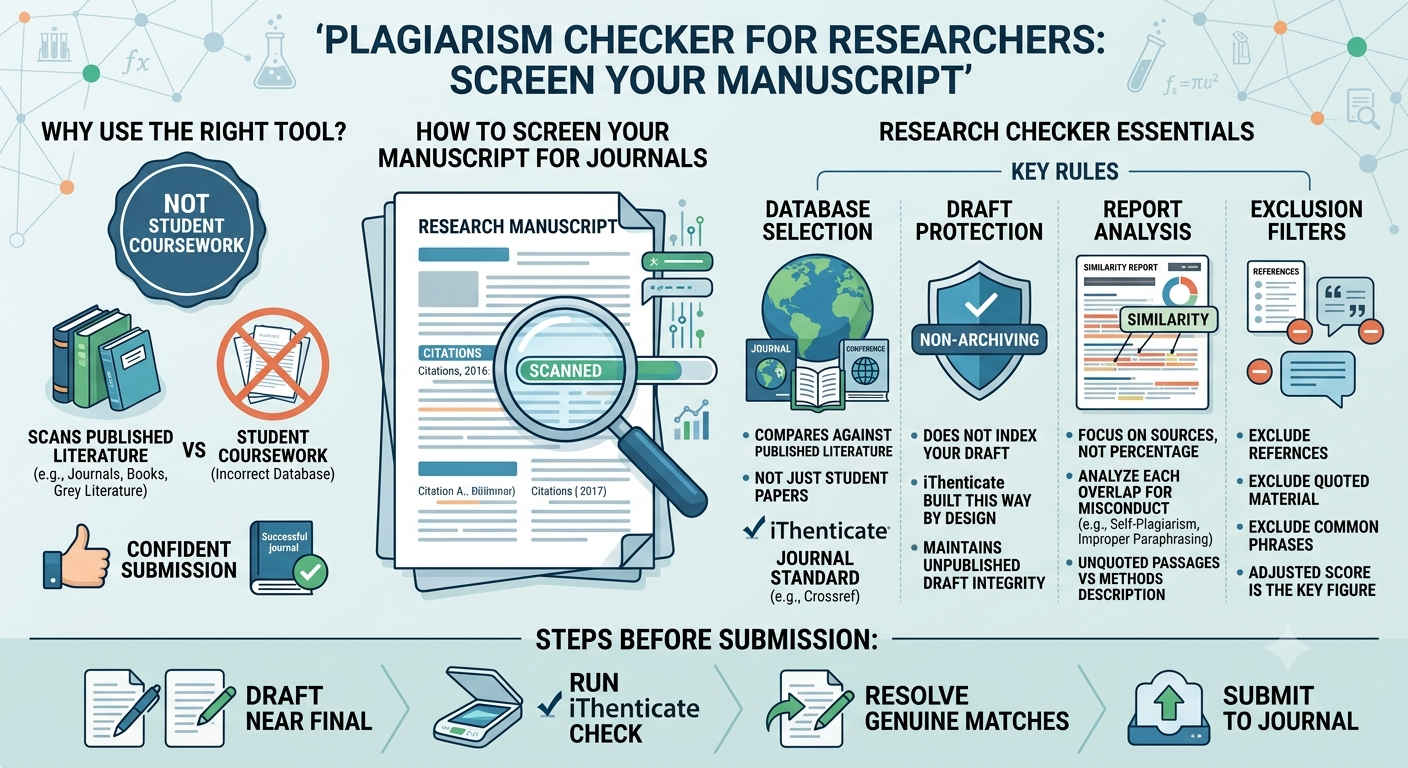
Plagiarism Checker for Researchers: How to Screen Your Manuscript
July 19, 2026



Want more tips & great deals? Get them sent to your inbox
Please enter a valid E-mail
By clicking "Subscribe" you agree to be contacted via e-mail. You can always unsubscribe from the newsletter