
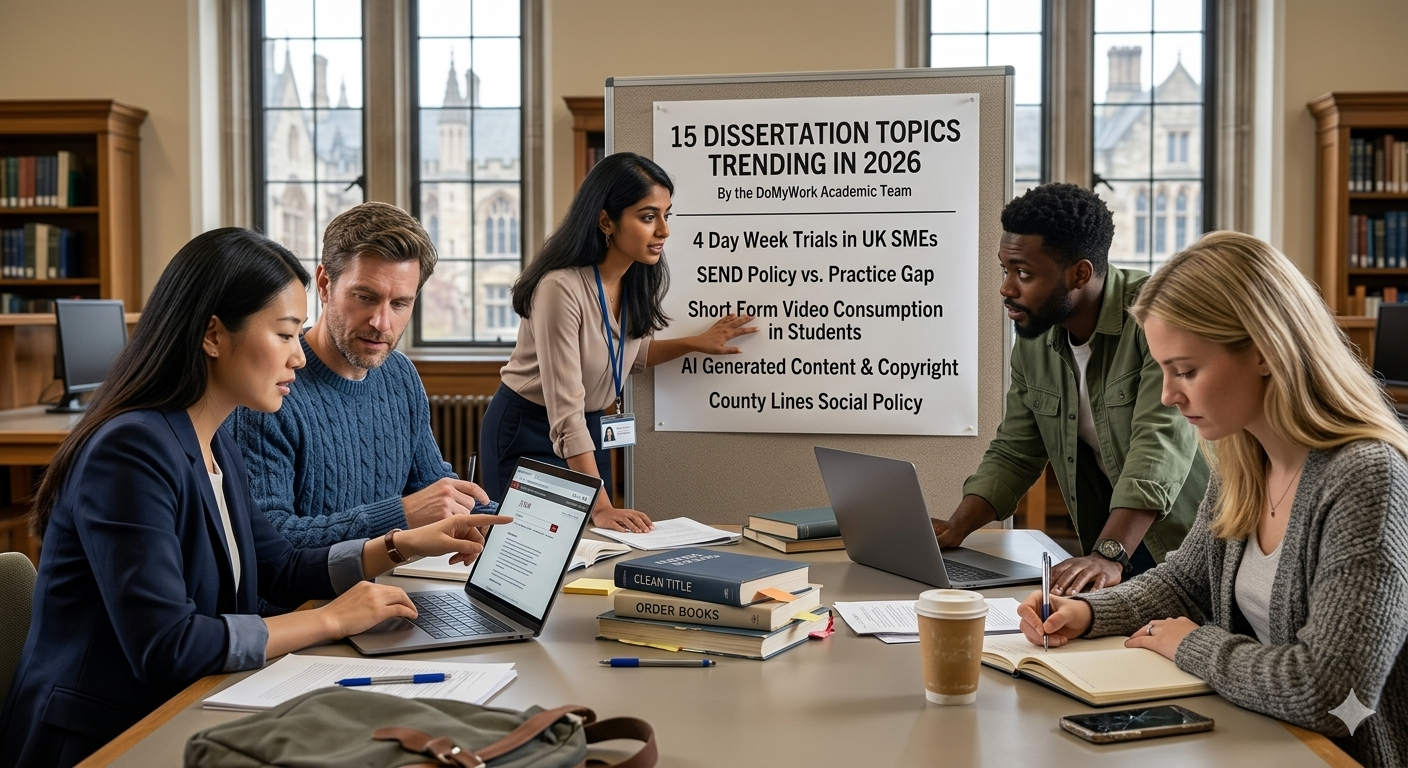
Ready by 12:35pm Aug 2, 2026
Dissertation Topics for 2026: How to Choose One That Works
A good dissertation topic is narrow enough to answer in your time frame, backed by data you can actually get, and tied to a real gap in the research. Pick the question before the subject area, and pick one you will still care about in month six. The topic you choose matters more than the effort you put in later.
Most topic lists throw 200 vague titles at you with no help on whether any would survive a supervisor. This guide does it the other way. It gives you the filters supervisors use, the areas producing strong topics in 2026, and links to full topic lists by subject.
What makes a dissertation topic good?

A topic is not a subject area. Consumer behaviour is a subject area. Whether loyalty scheme design changes repeat purchase among under 25s is a topic, because it can be answered and you can tell when you have answered it. Turning a subject into a question is the real work of choosing, and doing it before your supervision saves a fortnight.
What five filters do supervisors use?
Run any idea through these before you take it in. A topic that fails two of them will not get approved.
| Filter | The question to ask |
|---|---|
| Answerable | Can I write it as a question with a clear end? If it is a theme, narrow it. |
| Data you can get | Can I actually reach the data or people this needs, in my time frame? |
| A real gap | Does recent research point to something still unanswered here? |
| Connected | Does it link to a module I already enjoyed and half understand? |
| Sustainable | Will I still find it interesting in month six? I have to live with it. |
Which areas are producing strong topics in 2026?
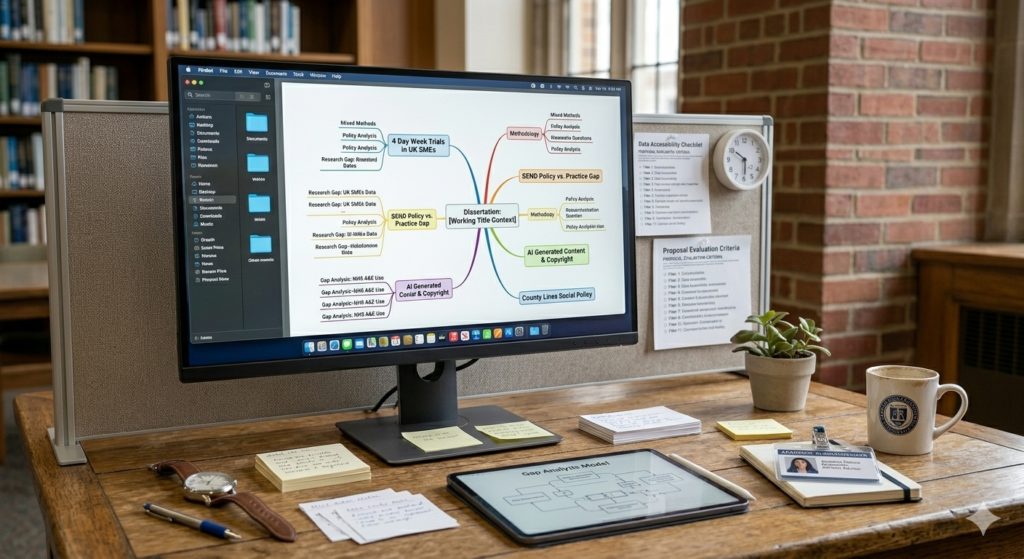
The best topics sit where a long running academic debate meets a current real world problem. That gives you a body of research to argue with and a reason the question matters now.
- Artificial intelligence in a specific sector: how it changes hiring, teaching, professional advice, or assessment. Almost every subject has an under researched version of this.
- Sustainability and ESG: whether reporting changes behaviour, how smaller firms handle the cost, what consumers do rather than say.
- Work and organisation: hybrid working, the four day week, distributed teams, and staff retention in short staffed sectors.
- Health and social care, education access, and trust in digital services, all with a real research base behind them.
How do you turn a topic into a research question?
A topic is a subject area. A research question is what you will actually answer. The move between them is narrowing, along three lines: population, setting, and mechanism.
Does social media marketing affect brand loyalty is too big to answer. Does influencer led marketing affect repeat purchase among UK consumers under 25 in fast fashion is a dissertation. Same interest, three limits added, and now a method suggests itself.
Then decide whether you need your own fieldwork or can use existing sources, a choice our guide to primary versus secondary research walks through.
Where do you find topics in your own subject?
Three routes beat browsing lists. The further research section at the end of recent papers, where researchers say what has not been done. A module essay you enjoyed, which is already half tested. And your department’s own dissertation archive, which shows what your markers are used to seeing.
For ready made, subject specific starting points, use these full lists:
| Subject | Topic list |
|---|---|
| Marketing | Marketing dissertation topics |
| Business and management | Business dissertation topics with research questions |
| Finance and accounting | Finance and accounting dissertation topics |
How narrow should your research question be?
Narrower than feels comfortable. The usual failure is a question so broad that answering it properly would take a book, which forces you to cover everything at a shallow level and lose marks for the depth you never had room for.
The method is to narrow along three lines: who, where, and what. Take a broad topic and add a group, a setting, and a mechanism until a specific method suggests itself.
| Too broad | Narrowed to a dissertation |
|---|---|
| Does social media affect loyalty? | Does influencer marketing affect repeat purchase among UK under 25s in fast fashion? |
| How does AI change education? | How do UK secondary teachers use AI tools for lesson planning? |
| Is remote work good or bad? | How does hybrid working affect access to supervision for junior accountancy staff? |
If narrowing leaves a question with no research behind it at all, widen one of the three lines and try again.
What happens after your topic is approved?
Approval is the start of the work, not the end. Most students lose their first fortnight afterwards by treating a signed off topic as permission to start writing, when three decisions still come first.
- Your research design. Fieldwork means ethics approval, recruitment, and waiting on other people. Existing data means the data is already there, but you must defend why it answers your question.
- Your word split. Knowing your literature review is about a quarter of the total changes in how you read, because you stop gathering material you have no room for.
- Your writing order, which is not the order the chapters appear in. Method first while it is fresh, then literature review, results, discussion, and the introduction and abstract last.
What are the most common topic mistakes?
- Choosing a theme instead of a question, then finding nothing to answer.
- Picking a topic because it sounds impressive rather than because the data is reachable.
- Committing before checking anyone in the department can supervise it.
- Choosing a huge topic with no clear gap, which leaves you summarising, not contributing.
- Changing subject area after the literature review is written, which usually means starting again.
How do you know if a topic has enough research behind it?
A topic with no research behind it leaves you with nothing to argue against, and a topic with too much leaves you summarising rather than contributing. You want the middle ground, and you can test for it before you commit.
- Search your library database and Google Scholar for your narrowed question.
- Five to twenty related studies, approaching it from different angles, is the sweet spot.
- Zero results usually means you are too niche, or looking with the wrong search terms.
- Hundreds of results means you need to narrow the context, the group, or the time frame.
The best single source is the further research section at the end of recent papers, where researchers say plainly what still needs doing. That is where supervisors quietly get their own suggestions from.
How do you check your dissertation before submission?
Whichever topic you choose, the finished dissertation is long, so plan originality checks from the start. Check each chapter as you finish it, then run a full check before you submit. Use the plagiarism checker while you draft and confirm the exact figure with the official report, because a long document can hide one overlooked match until it is too late. When it comes to writing the chapters, dissertation support works at chapter level.
Frequently asked questions
How do I choose a dissertation topic?
Start from a question, not a subject area, then run it through five filters: answerable, data you can get, a real gap, connected to your module work, and interesting enough to sustain you for months.
What makes a good dissertation topic?
One that is narrow enough to answer in your time frame, backed by data you can reach, tied to a genuine gap, and interesting enough to keep you going. Being specific is what separates a good topic from a vague one.
Should I pick a trending topic?
A current topic helps if there is fresh data and an open gap, but avoid crowded areas unless you have a sharp angle. Feasibility matters more than how fashionable a subject sounds.
How specific should my topic be?
Specific enough that the title could not describe five different dissertations. Narrow by country, group, time frame, or mechanism until it fits your word count.
When should my topic be final?
For an August or September submission, a topic still moving in May is a problem. Aim to have it approved with a clear question at least four months before your deadline.
Should my topic differ if I’m doing a PhD rather than a bachelor’s or master’s?
Yes. The same subject can work at every level, but a PhD topic needs a genuine, defensible gap in the existing literature and an original methodological contribution, not just a new setting for a question that has already been answered elsewhere. See the academic level section above for how scope should shift.
Can I change my dissertation topic after I have started?
Usually yes in the early stages, but it gets risky once ethics approval or data collection has begun, since you lose the time already invested and may need fresh approval. Most students who switch late do so because they picked a topic they merely tolerated rather than one they wanted to answer, which is exactly what the five filters at the top of this guide are designed to prevent. Check your programme handbook and talk to your supervisor before changing direction.
How many sources does a dissertation need?
There is no fixed rule, but a common working benchmark is around fifty quality academic sources for an undergraduate or master’s literature review, weighted towards peer reviewed journal articles rather than websites. Before you commit to a topic, a quick Google Scholar search tells you whether that many relevant sources actually exist, which is a fast way to rule out a topic that is too niche to support a full review.
Found a topic? Turn it into an approved plan with how to write a dissertation proposal, get structured dissertation writing support if you need it, and check your finished work with the official Turnitin report for $5.
Popular posts
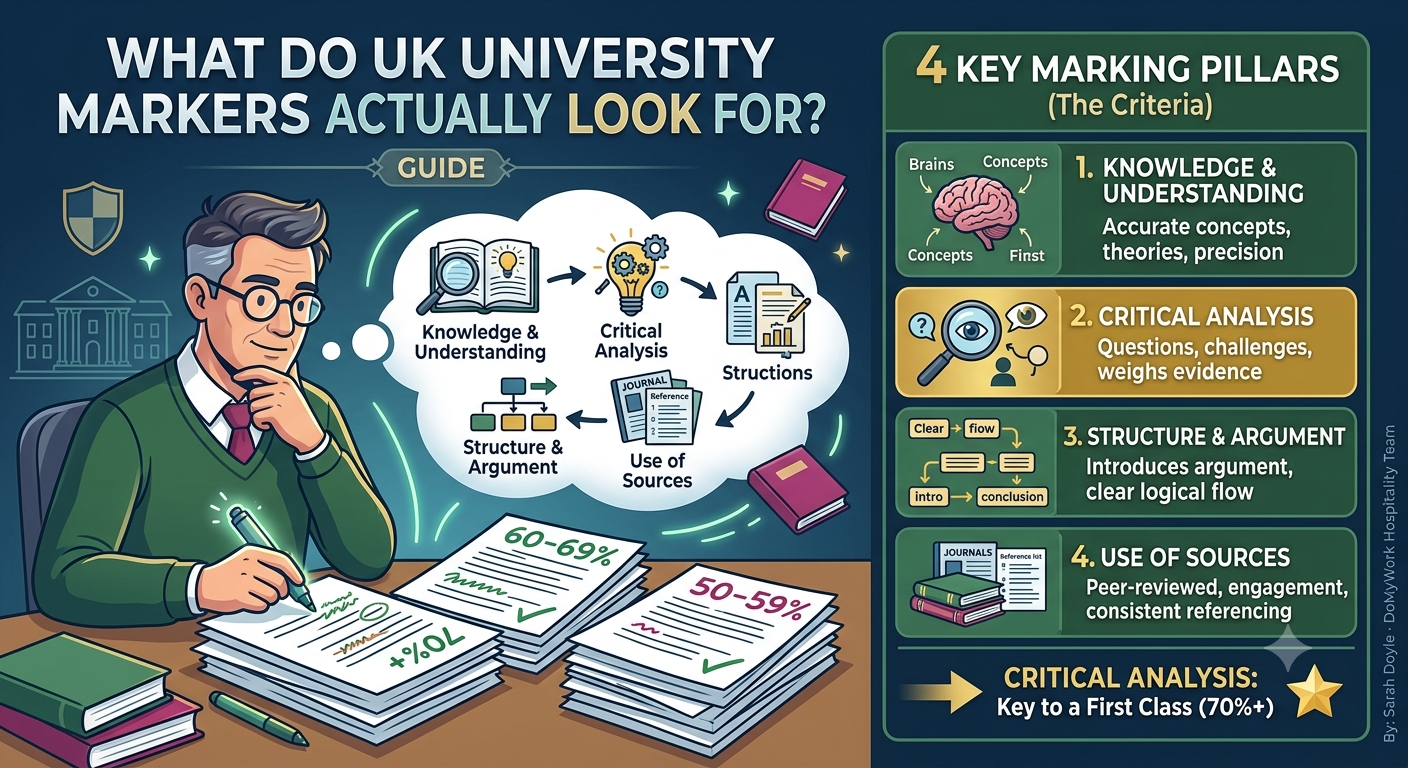
What Do UK University Markers Actually Look For?
May 22, 2026
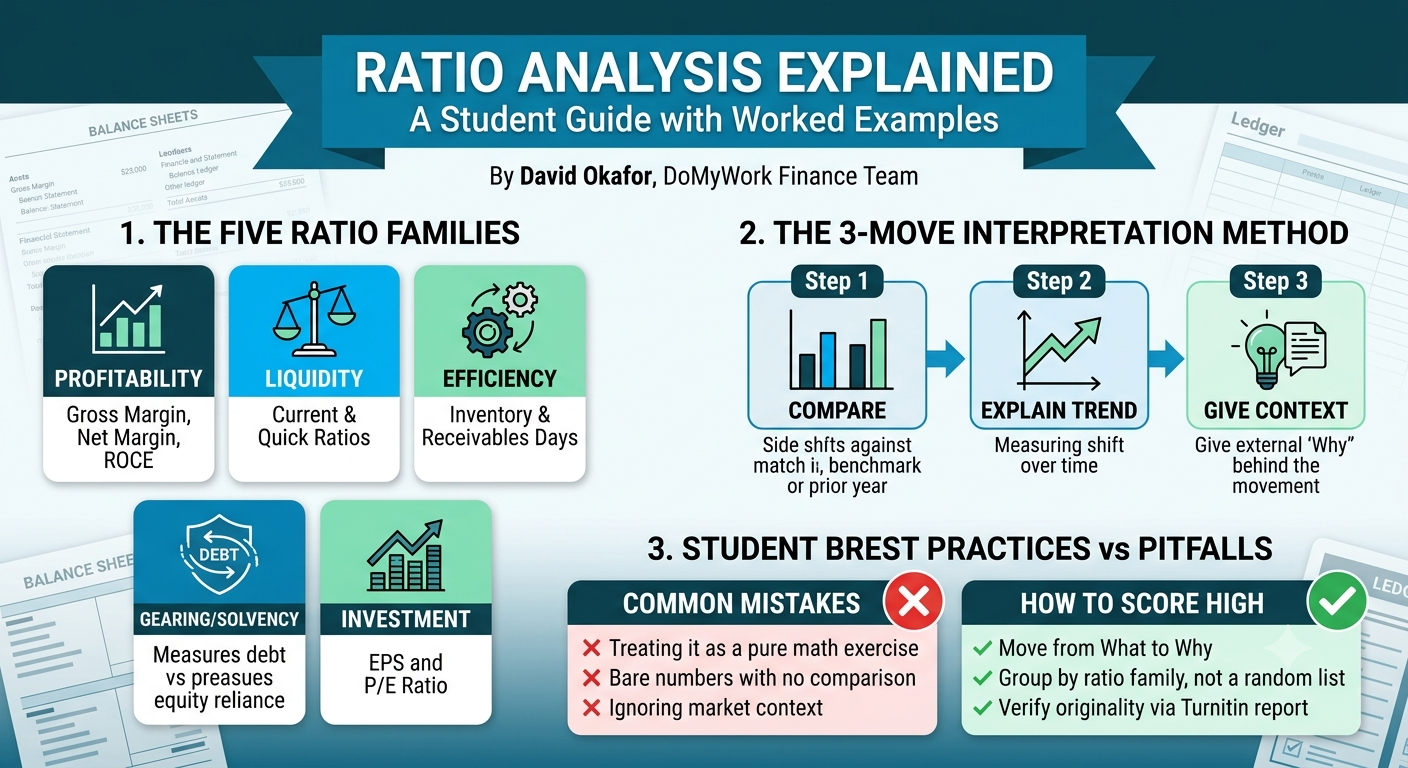
Ratio Analysis Explained: A Student Guide With Worked Examples
July 14, 2026
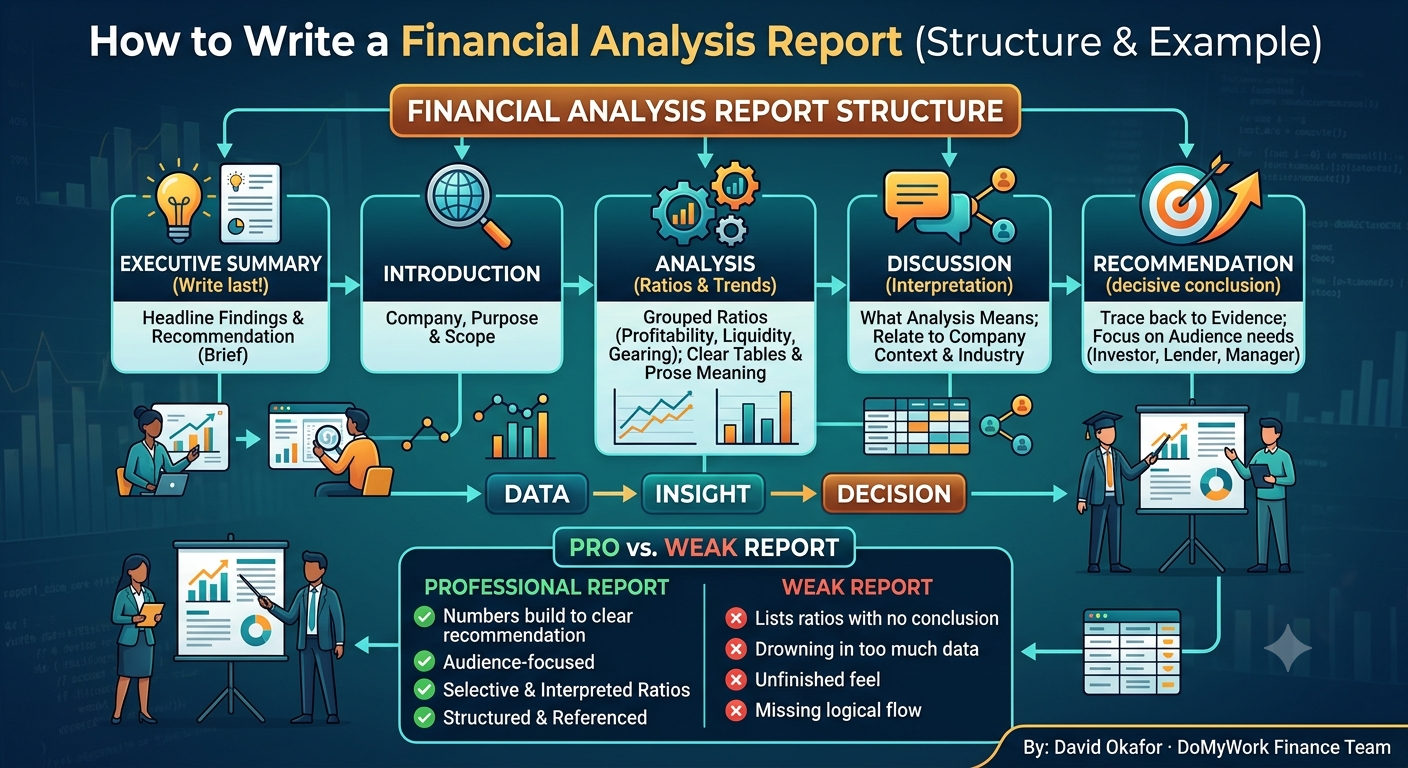
How to Write a Financial Analysis Report (Structure and Example)
July 13, 2026

How Student Content Creators Can Get Paid Brand Deals in 2026
March 23, 2026
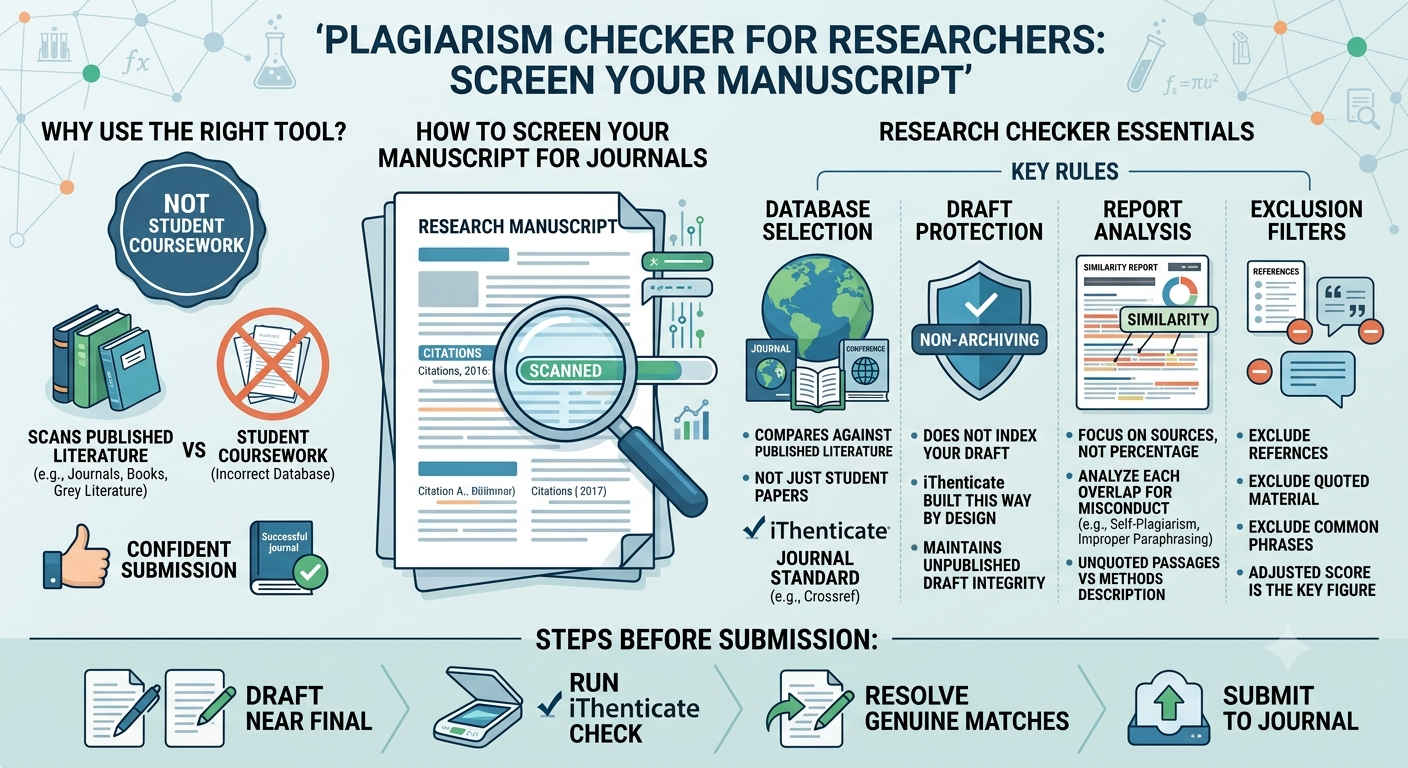
Plagiarism Checker for Researchers: How to Screen Your Manuscript
July 19, 2026
Want more tips & great deals? Get them sent to your inbox
Please enter a valid E-mail
By clicking "Subscribe" you agree to be contacted via e-mail. You can always unsubscribe from the newsletter