
Ready by 2:32am Sep 17, 2026
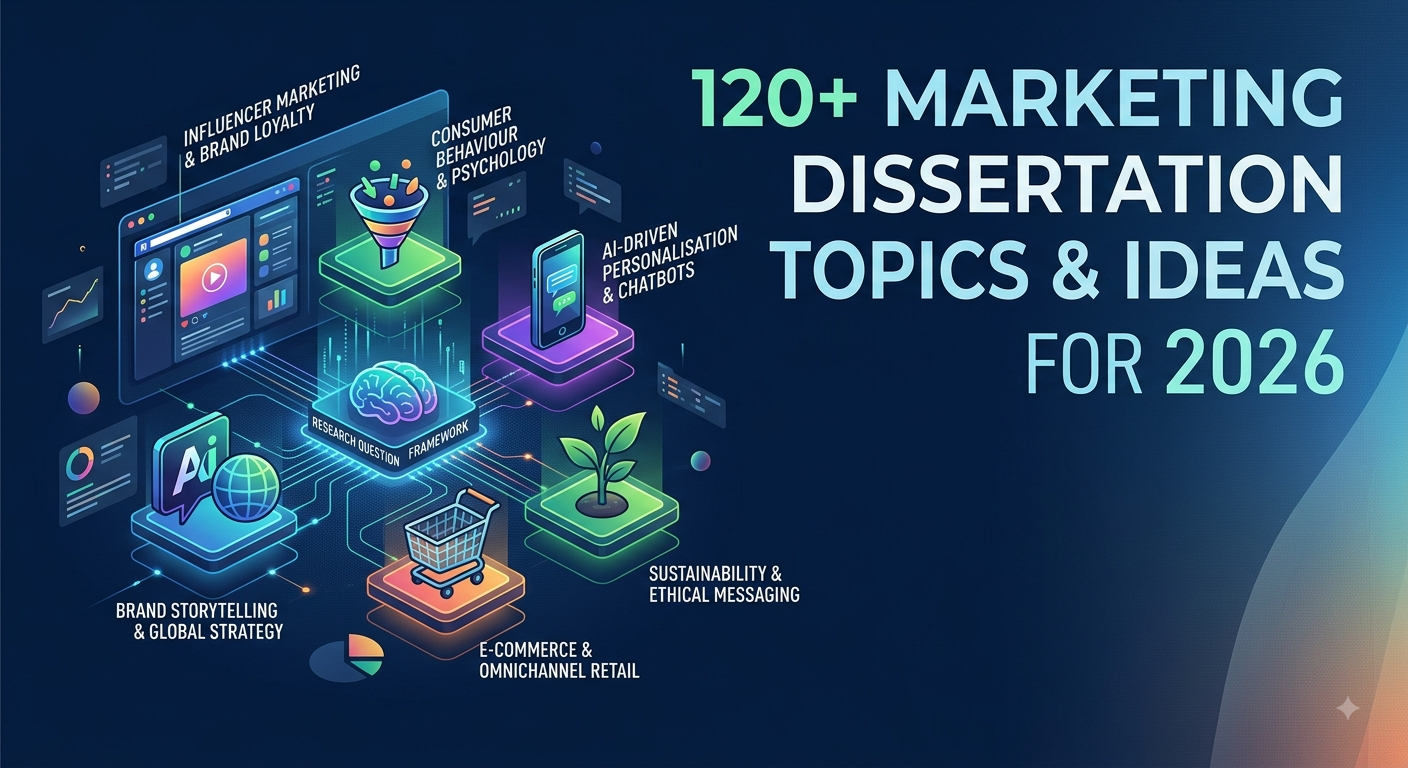
120+ Marketing Dissertation Topics and Ideas for 2026
A strong marketing topic is specific, researchable with data you can realistically gather, and tied to a current shift in how brands reach and keep customers. This guide gives more than 120 marketing dissertation topics for 2026, grouped by field, from digital and social media marketing to consumer behaviour, branding, retail and sustainability. The featured topics below each come with a research aim to help you turn an idea into a clear question.
Featured marketing dissertation topics with research aims
These 14 topics span the main areas of marketing. Each includes a short research aim showing what the study would set out to do.
1. The Effect of Social Media Marketing on Brand Loyalty
Research aim: This study investigates how social media engagement influences brand loyalty among a chosen customer group, aiming to identify which activities most strengthen the customer relationship.
2. Influencer Marketing and Purchase Intention
Research aim: This study examines how influencer credibility and content affect purchase intention, aiming to identify which influencer characteristics most drive consumer action.
3. Personalisation and the Customer Experience
Research aim: This study evaluates the effect of personalised marketing on customer experience and trust, aiming to establish where personalisation adds value and where it feels intrusive.
4. The Impact of Online Reviews on Consumer Trust
Research aim: This study analyses how online reviews shape consumer trust and choice, aiming to identify which review characteristics most influence buying decisions.
5. Green Marketing and Consumer Scepticism
Research aim: This study investigates how consumers respond to green marketing claims, aiming to identify the factors that build or undermine trust in sustainability messaging.
6. Content Marketing Effectiveness for Small Businesses
Research aim: This study evaluates how content marketing affects engagement and lead generation for small firms, aiming to identify the most cost-effective content approaches.
7. Emotional Branding and Consumer Decisions
Research aim: This study examines how emotional branding influences consumer decision-making, aiming to identify which emotional appeals most strengthen brand preference.
8. The Role of AI-Driven Recommendation Systems in E-Commerce
Research aim: This study analyses how recommendation systems affect online purchasing behaviour, aiming to assess their effect on conversion and customer satisfaction.
9. Omnichannel Marketing and the Customer Journey
Research aim: This study evaluates how omnichannel strategies affect the customer journey, aiming to identify how brands create a seamless experience across touchpoints.
10. Cause-Related Marketing and Brand Perception
Research aim: This study investigates how cause-related campaigns affect brand perception, aiming to assess when social causes strengthen rather than dilute a brand.
11. Consumer Behaviour and the Cost of Living Crisis
Research aim: This study analyses how the cost of living crisis has changed consumer spending, aiming to identify how brands can adapt their value proposition.
12. Social Media Advertising and Ad Fatigue
Research aim: This study examines the effect of ad frequency on engagement and ad fatigue, aiming to identify the point at which social advertising loses effectiveness.
13. Brand Storytelling and Customer Engagement
Research aim: This study evaluates how brand storytelling affects customer engagement, aiming to identify the narrative elements that most resonate with audiences.
14. The Effect of User-Generated Content on Brand Trust
Research aim: This study investigates how user-generated content influences brand trust and purchase intention, aiming to assess its value compared with brand-produced content.
How do you choose a marketing dissertation topic?
Start with the area of marketing you find most interesting, then test each idea against three practical checks.
- Can you get the data? A short consumer survey, a set of interviews or a content analysis all work, but choose a topic where the evidence is reachable. Our guide on primary versus secondary research explains the choice.
- Is it narrow enough? One brand, one platform or one clearly defined audience beats a whole theme you could never cover.
- Is it current? Tie it to a live shift such as AI-driven personalisation, short-form video or sustainability messaging so the work feels relevant.
Once you have a shortlist, sketch each idea into a rough aim, as the featured topics above do, and see which holds up. For related business themes, our business dissertation topics hub is a useful companion, and our assignment structure guide keeps the write-up clear.
Digital marketing dissertation topics
- The effectiveness of search engine marketing for small businesses
- How email marketing personalisation affects open and conversion rates
- The role of marketing automation in lead nurturing
- The impact of mobile marketing on consumer engagement
- Attribution modelling and the measurement of digital campaign success
- The effect of retargeting ads on consumer perception
- Programmatic advertising and its effect on campaign efficiency
- The role of data analytics in digital marketing decisions
- Privacy concerns and their effect on digital advertising
- The effectiveness of paid versus organic digital channels
Social media and influencer marketing dissertation topics
- The effect of social media marketing on brand loyalty
- Influencer marketing and its impact on purchase intention
- Micro-influencers versus celebrity endorsement effectiveness
- The role of short-form video in brand engagement
- User-generated content and its effect on brand trust
- Social media crisis management and brand reputation
- The impact of social commerce on impulse buying
- Authenticity in influencer content and consumer trust
- The effect of community building on brand advocacy
- Social media sentiment and its link to sales
Consumer behaviour dissertation topics
- Consumer behaviour and the cost of living crisis
- The psychology of impulse buying online
- How scarcity and urgency cues affect purchase decisions
- The effect of loyalty programmes on repeat purchase behaviour
- Cross-cultural differences in consumer decision-making
- The role of emotion in brand choice
- How online reviews shape consumer trust
- The effect of packaging design on purchase intention
- Generational differences in brand engagement
- The influence of social proof on consumer choice
Branding dissertation topics
- The role of brand storytelling in customer engagement
- Emotional branding and its effect on customer loyalty
- Rebranding and its impact on customer perception
- Brand extension and the risk of dilution
- The effect of brand purpose on consumer preference
- Luxury branding in the digital age
- Brand authenticity and consumer trust
- The role of co-branding in reaching new audiences
Content marketing and SEO dissertation topics
- Content marketing effectiveness for small businesses
- The role of storytelling in content strategy
- How SEO affects brand visibility and traffic
- The impact of AI-generated content on marketing quality
- Video content and its effect on engagement
- The effectiveness of thought leadership content in B2B marketing
- How content personalisation affects conversion
Retail and e-commerce dissertation topics
- The role of AI-driven recommendation systems in e-commerce
- Omnichannel retailing and the customer experience
- The drivers of online shopping cart abandonment
- The effect of free returns on purchase and profitability
- How mobile commerce is reshaping retail
- The impact of social commerce on the retail landscape
- In-store experience and its role in an online world
- Dynamic pricing and its effect on consumer perception
Advertising dissertation topics
- The effect of ad frequency on engagement and ad fatigue
- Emotional versus rational appeals in advertising
- The effectiveness of humour in advertising
- Cross-cultural differences in advertising effectiveness
- The impact of native advertising on consumer trust
- Nostalgia marketing and its effect on brand appeal
- The role of storytelling in video advertising
Services and relationship marketing dissertation topics
- The effect of service quality on customer satisfaction
- Customer relationship management and lifetime value
- The role of trust in relationship marketing
- Service recovery and its effect on customer loyalty
- The impact of loyalty schemes on customer retention
- How personalisation strengthens customer relationships
- The effect of customer experience on word-of-mouth
Sustainability and international marketing dissertation topics
- Green marketing and consumer scepticism
- Cause-related marketing and brand perception
- Greenwashing and its effect on consumer trust
- The business case for ethical marketing
- Sustainable packaging and consumer choice
- Purpose-driven brands and consumer loyalty
- Standardisation versus adaptation in global marketing
- Cross-cultural branding and consumer response
- Market entry marketing strategies for emerging markets
- The role of local influencers in international campaigns
- Cultural sensitivity in global advertising
AI and marketing technology dissertation topics
- The effect of AI-driven personalisation on customer experience
- Chatbots and their impact on customer service satisfaction
- Predictive analytics in customer targeting
- The ethics of AI in marketing and data use
- The impact of AI-generated advertising on brand perception
- How machine learning improves customer segmentation
- Voice search and its effect on marketing strategy
- The effect of AI-generated influencers on consumer trust
- Hyper-personalisation and the limits of consumer comfort
- AI content moderation and brand safety in advertising
- The role of first-party data after third-party cookie loss
B2B, analytics and experiential marketing dissertation topics
- Account-based marketing and its effect on lead quality
- The role of thought leadership in B2B buyer trust
- Relationship building in long B2B sales cycles
- The effect of LinkedIn marketing on B2B lead generation
- How webinars and events drive B2B engagement
- Content strategy for complex B2B buying decisions
Marketing analytics and metrics
- The use of marketing metrics in measuring campaign success
- How A/B testing improves conversion rates
- Customer lifetime value as a marketing decision tool
- The challenge of measuring brand awareness
- Attribution and the credit given to each channel
- The effect of data-driven marketing on return on investment
Experiential and emerging marketing
- Experiential marketing and its effect on brand memory
- The use of augmented reality in retail marketing
- Gamification and its effect on customer engagement
- Pop-up experiences and their effect on brand perception
- The role of sensory marketing in the customer experience
- Metaverse and virtual spaces as marketing channels
How do you turn a marketing topic into a research question?
A topic is a theme; a research question is something you can answer with evidence. Take one idea above, fix the audience, platform and outcome, and decide whether you are describing a relationship, comparing groups or evaluating a campaign. Much marketing research works well as a consumer survey, a content analysis or a focused case study. Our business dissertation topics hub covers overlapping themes, and our assignment structure guide keeps the writing clear.
Ready to take your dissertation further? Get specialist support.
From refining your research question and literature review to methodology, analysis and final structure, dissertation work requires careful planning at every stage. Explore our dissertation writing support for your research project.
Frequently asked questions
How do I choose a marketing dissertation topic?
Pick an area of marketing you find interesting, then check you can realistically gather the data. Narrow the theme to a single question set around one brand, platform or audience, tied to a current shift in the field.
Should a marketing dissertation use primary or secondary research?
Both are common. Primary studies use consumer surveys, interviews or experiments; secondary studies use published market data and content analysis. Choose the approach your question needs and confirm any ethics requirements with your programme.
What are good marketing dissertation topics for 2026?
Strong current areas include AI-driven personalisation, influencer and social commerce, sustainability messaging, short-form video, and consumer behaviour during the cost of living crisis. Each of the featured topics above sets out a ready research aim.
Can I get help with my marketing dissertation?
Yes. If you would like a subject expert to help you shape a topic, gather the evidence and structure the work, our MBA assignment writing help and dissertation writing help services provide that guided support.
Popular posts

Best Student Side Hustles in the UK That Actually Pay in 2026
May 18, 2026

How Student Content Creators Can Get Paid Brand Deals in 2026
March 23, 2026

How to Check Your Turnitin Score Before Submitting
April 7, 2026

How to Write a First Class Essay at a UK University: A Complete Guide for Students
May 11, 2026
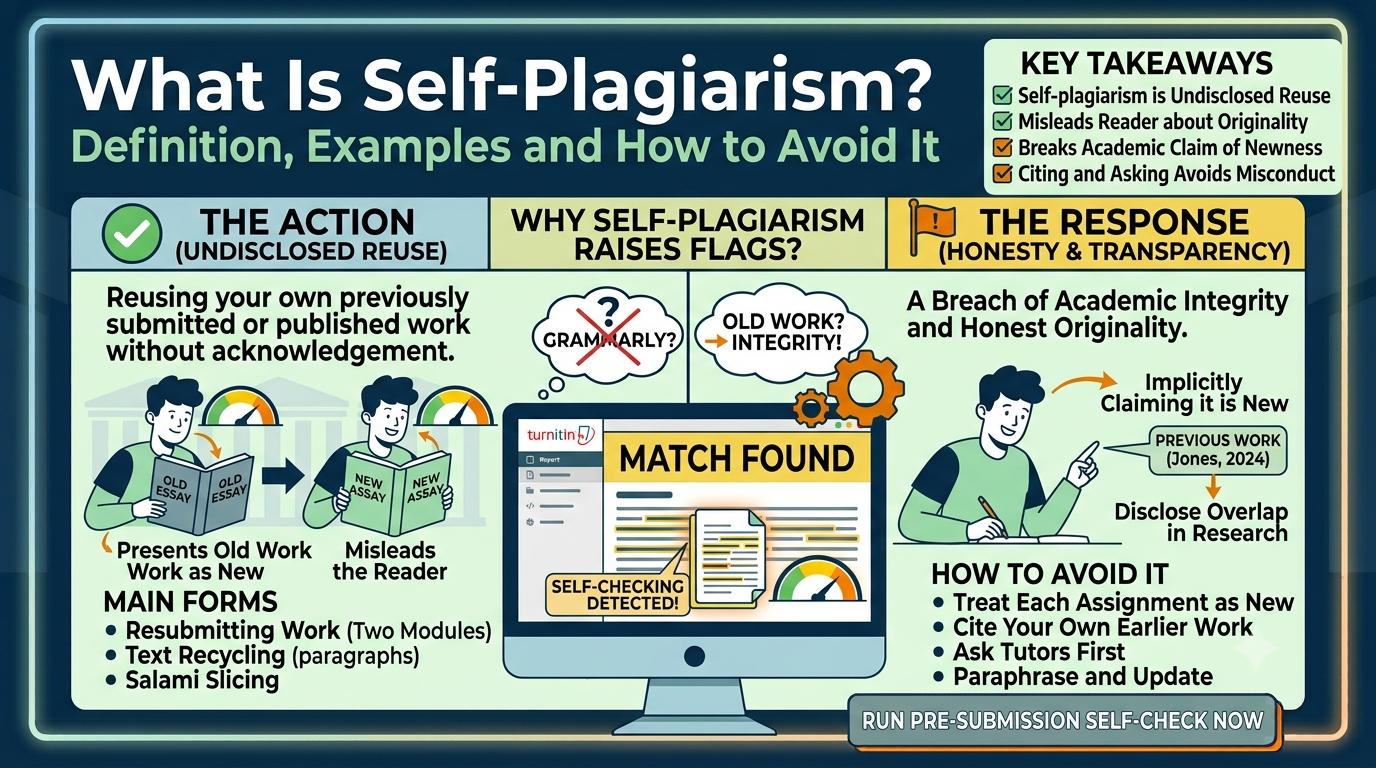
What Is Self-Plagiarism? Definition, Examples and How to Avoid It
July 23, 2026
Want more tips & great deals? Get them sent to your inbox
Please enter a valid E-mail
By clicking "Subscribe" you agree to be contacted via e-mail. You can always unsubscribe from the newsletter


