

Ready by 2:33am Sep 17, 2026
120+ Business Dissertation Topics and Ideas for 2026
A strong business topic is specific, researchable with data you can realistically gather, and tied to a current management challenge. This guide gives more than 120 business dissertation topics for 2026, grouped by field, from strategy and marketing to HR, operations, finance, entrepreneurship and sustainability. The featured topics below each come with a research aim to help you turn an idea into a clear question.
Featured business dissertation topics with research aims
These 14 topics span the main areas of business and management. Each includes a short research aim showing what the study would set out to do.
1. Corporate Strategy and Firm Performance in a Chosen Sector
Research aim: This study examines how competitive strategy choices relate to performance across firms in one sector, aiming to identify which strategic postures deliver the strongest results.
2. The Effect of Social Media Marketing on Brand Loyalty
Research aim: This study investigates how social media engagement influences brand loyalty among a chosen customer group, aiming to identify which activities most strengthen the customer relationship.
3. Remote Working and Employee Productivity
Research aim: This study evaluates the effect of remote and hybrid working on productivity and engagement, aiming to identify the conditions under which flexible working succeeds.
4. Supply Chain Resilience After Recent Disruption
Research aim: This study analyses how firms have rebuilt supply chain resilience after recent global disruption, aiming to identify the strategies that best reduce vulnerability.
5. Barriers to Growth for Small and Medium-Sized Enterprises
Research aim: This study investigates the main barriers SMEs face when scaling, aiming to identify the internal and external factors that most constrain their growth.
6. Transformational Leadership and Employee Motivation
Research aim: This study examines the relationship between transformational leadership and employee motivation, aiming to establish which leader behaviours most influence engagement.
7. The Impact of Corporate Social Responsibility on Consumer Choice
Research aim: This study evaluates whether CSR activity affects consumer purchasing decisions, aiming to assess how far ethical positioning translates into commercial advantage.
8. Digital Transformation in Traditional Businesses
Research aim: This study investigates how established firms adopt digital technologies, aiming to identify the factors that make digital transformation succeed or fail.
9. Employer Branding and Talent Retention
Research aim: This study examines how employer branding influences the attraction and retention of talent, aiming to identify the practices that most improve retention.
10. Consumer Behaviour and the Cost of Living Crisis
Research aim: This study analyses how the cost of living crisis has changed consumer spending, aiming to identify how brands can adapt their value proposition.
11. Agile Working and Organisational Performance
Research aim: This study evaluates the adoption of agile ways of working beyond software teams, aiming to assess their effect on organisational responsiveness and performance.
12. The Role of Innovation in Competitive Advantage
Research aim: This study examines how innovation capability contributes to competitive advantage in a chosen industry, aiming to identify what sustains an innovative firm.
13. Sustainability Strategy and Firm Value
Research aim: This study investigates the link between corporate sustainability strategy and firm value, aiming to assess whether sustainability is a cost or a source of advantage.
14. Artificial Intelligence and the Future of Management Decision-Making
Research aim: This study explores how managers use AI-driven analytics in decision-making, aiming to identify the factors that drive trust and effective adoption.
How do you choose a business dissertation topic?
Start with the area of business you find most interesting, then test each idea against three practical checks.
- Can you get the data? A short survey, a set of interviews or published company data all work, but choose a topic where the evidence is reachable. Our guide on primary versus secondary research explains the choice.
- Is it narrow enough? One company, one sector or one clearly defined group beats a whole theme you could never cover.
- Is it current? Tie it to a live management challenge such as hybrid working, AI adoption or sustainability so the work feels relevant.
Once you have a shortlist, sketch each idea into a rough aim, as the featured topics above do, and see which holds up. If you are studying at postgraduate level, our MBA assignment guide covers overlapping strategy themes, and our assignment structure guide keeps the write-up clear.
Strategy and management dissertation topics
- The relationship between competitive strategy and firm performance in a chosen sector
- How firms sustain competitive advantage in a fast-changing market
- The effectiveness of blue ocean strategy in a chosen industry
- Strategic responses to disruption from new entrants
- The role of dynamic capabilities in firm adaptation
- How mergers and acquisitions affect strategic direction
- Strategic decision-making under uncertainty
- The effect of corporate diversification on performance
- Business model innovation and its effect on competitiveness
- The strategic use of data analytics in decision-making
Marketing dissertation topics
- The effect of social media marketing on brand loyalty
- Influencer marketing and its impact on purchase intention
- The role of brand storytelling in customer engagement
- Personalisation and its effect on the customer experience
- The impact of online reviews on consumer trust
- Green marketing and consumer scepticism
- The effectiveness of content marketing for small businesses
- Customer loyalty programmes and repeat purchase behaviour
- The role of emotional branding in customer decisions
- Cross-cultural differences in advertising effectiveness
Human resource management dissertation topics
- The effect of remote working on employee productivity and engagement
- Employer branding and talent retention
- The impact of flexible working on work-life balance
- Diversity and inclusion initiatives and their effect on performance
- Employee wellbeing programmes and their return on investment
- The role of training and development in retention
- Performance management systems and employee motivation
- The effect of organisational culture on staff turnover
- Managing an ageing workforce
- The impact of AI and automation on the future of work
Operations and supply chain dissertation topics
- Building supply chain resilience after recent disruption
- The adoption of lean management in service organisations
- Sustainable supply chain practices and their business case
- The role of technology in improving operational efficiency
- Inventory management strategies for reducing cost
- The effect of supplier relationships on quality and reliability
- Reshoring and its impact on supply chain risk
- Quality management systems and customer satisfaction
- The use of data analytics in supply chain optimisation
- Managing the trade-off between cost and sustainability in operations
Entrepreneurship and small business dissertation topics
- Barriers to growth for small and medium-sized enterprises
- Access to finance for early-stage entrepreneurs
- The role of social media in small business marketing
- Female entrepreneurship and the challenges of scaling
- The characteristics of successful start-up founders
- Social entrepreneurship and its measurement of impact
- The effect of incubators and accelerators on start-up survival
- Innovation in family businesses across generations
- The gig economy and the rise of solo entrepreneurship
- Failure and learning in entrepreneurial ventures
International business dissertation topics

- Market entry strategies for emerging markets
- The effect of cultural distance on international joint ventures
- How multinational firms manage cross-cultural teams
- The impact of trade policy changes on international expansion
- Standardisation versus adaptation in global marketing
- The role of institutions in foreign direct investment decisions
- Managing political risk in international operations
- The effect of Brexit on UK firms’ international trade
Finance and accounting dissertation topics
- Working capital management and SME profitability
- The effect of capital structure on firm value
- Corporate governance quality and financial performance
- The predictive power of financial ratios for business distress
- Investment appraisal techniques in practice
- The impact of dividend policy on shareholder value
- Financial risk management in a chosen industry
- The role of management accounting in strategic decisions
Leadership and organisational behaviour dissertation topics
- Transformational leadership and employee motivation
- The effect of leadership style on organisational change
- Emotional intelligence and leadership effectiveness
- Psychological safety and team performance
- The role of trust in high-performing teams
- Change management and employee resistance
- Organisational culture and its effect on innovation
- Servant leadership and employee wellbeing
Digital business and e-commerce dissertation topics
- Digital transformation in traditional businesses
- The drivers of online shopping cart abandonment
- The effect of artificial intelligence on management decision-making
- Omnichannel retailing and the customer experience
- The role of big data analytics in business strategy
- Trust and security concerns in e-commerce adoption
- The impact of mobile commerce on consumer behaviour
- Platform business models and network effects
Sustainability, CSR and business ethics dissertation topics
- The impact of corporate social responsibility on consumer choice
- Sustainability strategy and firm value
- Greenwashing and consumer trust
- The business case for the circular economy
- ESG reporting and its usefulness to stakeholders
- Sustainable business models in a chosen industry
- The role of leadership in driving sustainability change
- Ethical decision-making in the workplace
- Whistleblowing and organisational culture
- The tension between profit and social responsibility
- Corporate governance failures and their lessons
- The ethics of data use in modern business
Project management and business analytics dissertation topics
- The causes of project failure in a chosen sector
- Agile versus traditional project management and delivery outcomes
- The role of stakeholder management in project success
- Risk management practices in complex projects
- The effect of team dynamics on project performance
- Managing scope creep in fixed-budget projects
- The adoption of business intelligence tools in decision-making
- How predictive analytics improves demand forecasting
- Barriers to data-driven culture in traditional firms
- The effect of dashboards on managerial decision speed
- Ethical concerns in the use of customer data analytics
- The role of automation in back-office efficiency
How do you turn a business topic into a research question?
A topic is a theme; a research question is something you can answer with evidence. Take one idea above, fix the population, setting and outcome, and decide whether you are describing a relationship, comparing groups or evaluating an intervention. Much business research works well as a case study or a focused survey supported by company data. Our MBA assignment guide covers overlapping frameworks, and our assignment structure guide keeps the writing clear.
Ready to take your dissertation further? Get specialist support.
From refining your research question and literature review to methodology, analysis and final structure, dissertation work requires careful planning at every stage. Explore our dissertation writing support for your research project.
Frequently asked questions
How do I choose a business dissertation topic?
Pick an area of business you find interesting, then check you can realistically gather the data. Narrow the theme to a single question set in one company, sector or group, tied to a current management challenge.
Should a business dissertation use primary or secondary research?
Both are common. Secondary studies use published company and market data; primary studies use surveys, interviews or a case study. Choose the approach your question needs and confirm any ethics requirements with your programme.
What are good business dissertation topics for 2026?
Strong current areas include remote and hybrid working, AI in management decision-making, supply chain resilience, sustainability strategy, and consumer behaviour during the cost of living crisis. Each of the featured topics above sets out a ready research aim.
Can I get help with my business dissertation?
Yes. If you would like a subject expert to help you shape a topic, gather the evidence and structure the work, our MBA assignment writing help and dissertation writing help services provide that guided support.
Popular posts

Best Student Side Hustles in the UK That Actually Pay in 2026
May 18, 2026

How Student Content Creators Can Get Paid Brand Deals in 2026
March 23, 2026

How to Check Your Turnitin Score Before Submitting
April 7, 2026

How to Write a First Class Essay at a UK University: A Complete Guide for Students
May 11, 2026
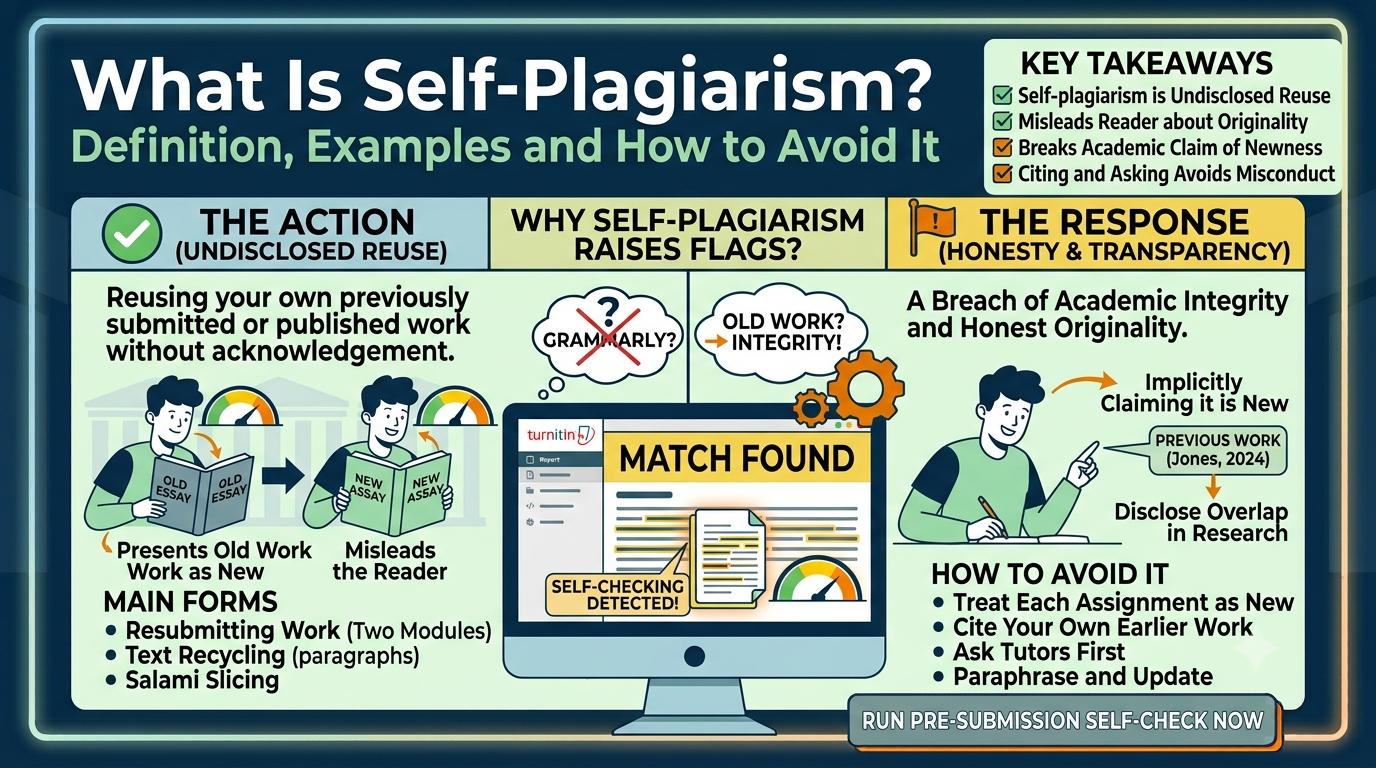
What Is Self-Plagiarism? Definition, Examples and How to Avoid It
July 23, 2026
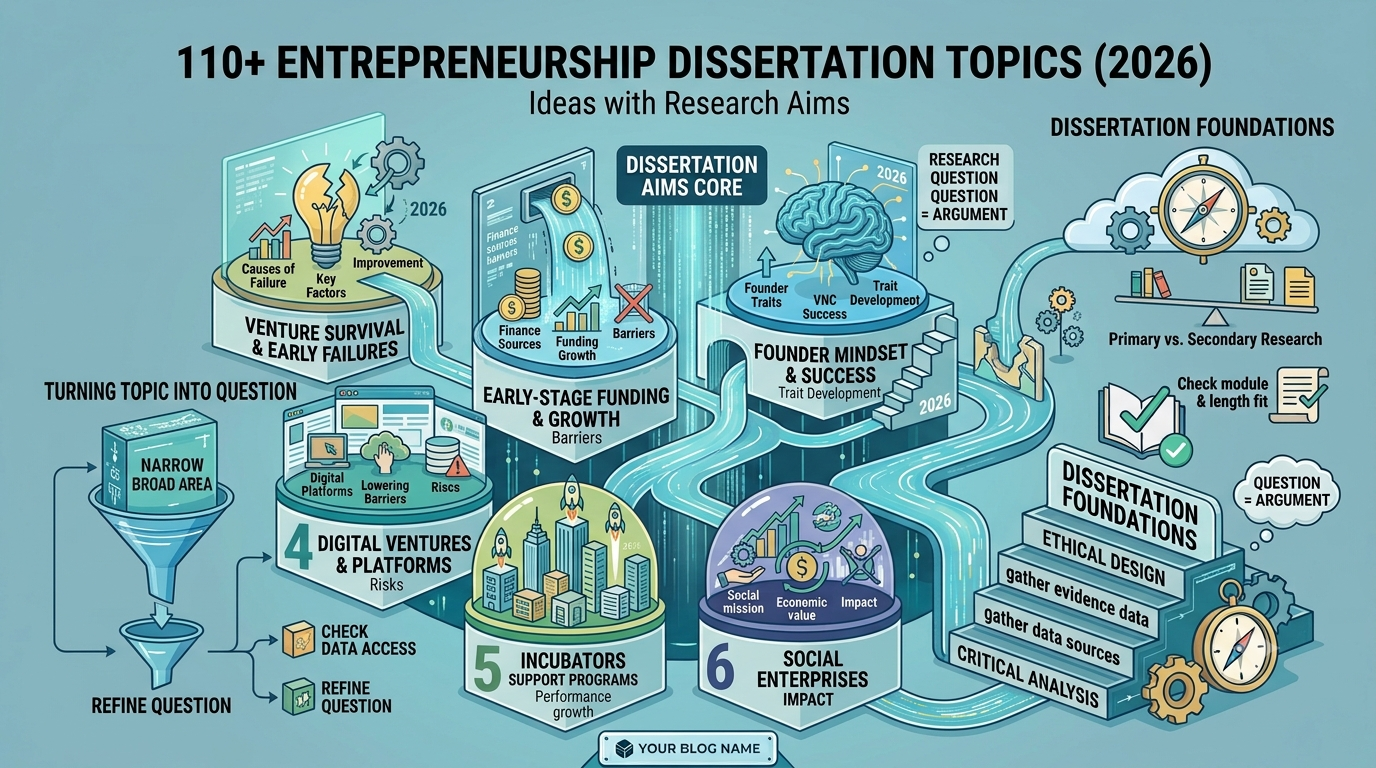
Want more tips & great deals? Get them sent to your inbox
Please enter a valid E-mail
By clicking "Subscribe" you agree to be contacted via e-mail. You can always unsubscribe from the newsletter


