

Ready by 10:51pm Aug 24, 2026
120+ Law Dissertation Topics and Ideas for 2026
A strong law dissertation topic is specific, grounded in a live legal debate, and answerable through doctrinal or empirical analysis within your word count. This guide gives more than 120 law dissertation topics for 2026, grouped by area, from criminal, contract and tort to human rights, company, intellectual property and technology law. The featured topics below each come with a research aim to help you turn an idea into a clear question.
Featured law dissertation topics with research aims
These 14 topics span the main areas of law. Each includes a short research aim showing what the study would set out to argue.
1. Reforming the Law on Joint Enterprise
Research aim: This doctrinal study analyses the law on joint enterprise after recent reform, aiming to assess whether the current test strikes a defensible balance between accountability and fairness.
2. Good Faith in English Contract Law
Research aim: This study examines the uneven treatment of good faith across English contract law, aiming to argue whether a general duty of good faith should be recognised.
3. The Expanding Boundaries of Vicarious Liability
Research aim: This study analyses recent case law on vicarious liability, aiming to determine whether its expansion is principled or has left the doctrine incoherent.
4. Prorogation and the Justiciability of Prerogative Powers
Research aim: This constitutional study examines the courts’ willingness to review prerogative powers, aiming to assess the limits of justiciability after recent litigation.
5. Balancing Privacy and Free Expression Under the Convention
Research aim: This study analyses how the courts balance Article 8 privacy against Article 10 expression, aiming to identify whether the current approach is consistent and principled.
6. Piercing the Corporate Veil
Research aim: This study reviews when courts disregard separate corporate personality, aiming to argue where the boundary of veil-piercing should properly sit.
7. The Employment Status of Gig-Economy Workers
Research aim: This study examines how the courts classify gig-economy workers, aiming to assess whether the current tests adequately protect those in insecure work.
8. No-Fault Divorce and the Family Justice System
Research aim: This study evaluates the effect of no-fault divorce on the family justice system, aiming to assess whether the reform has achieved its stated aims.
9. Reforming Leasehold and the Rights of Long Leaseholders
Research aim: This study analyses recent and proposed leasehold reform, aiming to assess how far it rebalances the relationship between leaseholders and freeholders.
10. Copyright and Generative Artificial Intelligence
Research aim: This study examines how copyright law applies to AI-generated works and training data, aiming to identify the gaps that current doctrine leaves unresolved.
11. The Regulation of Artificial Intelligence and Liability
Research aim: This study analyses how existing liability rules apply to harm caused by AI systems, aiming to assess whether a dedicated liability regime is needed.
12. Climate Change Litigation and the Duties of the State
Research aim: This study examines the growth of climate litigation against governments, aiming to assess whether the courts are an effective route to enforcing climate obligations.
13. Consent to Medical Treatment After Montgomery
Research aim: This study analyses the standard of consent following the Montgomery decision, aiming to assess its effect on clinical practice and patient autonomy.
14. Access to Justice and the Effect of Legal Aid Cuts
Research aim: This socio-legal study examines the impact of legal aid reductions on access to justice, aiming to identify who is most affected and how the gap might be closed.
How do you choose a law dissertation topic?
Start with the module you found most engaging, then look for a live debate you can argue about.
- Is there a live debate? A recent reform, conflicting authority or an unsettled question gives you something to argue; a settled area does not. Argument is what earns marks in law.
- Doctrinal or empirical? Decide early whether you will analyse cases and statute or gather data. Our guide on primary versus secondary research helps you choose.
- Is it scoped? One doctrine and one tension within it beats a whole field. Our law assignment help guide covers the conventions and OSCOLA referencing markers expect, and our law problem question guide explains the IRAC method for the problem questions many courses set alongside the dissertation.
Criminal law dissertation topics
Criminal law
- The adequacy of the law on joint enterprise after recent reform
- Intoxication as a defence: is the current approach coherent?
- Reforming murder and the partial defences to it
- Consent in the criminal law: where should the boundaries lie?
- The criminalisation of coercive control and its enforcement
- Strict liability offences and the presumption of mens rea
- Self-defence and the treatment of householder cases
- Corporate criminal liability and the identification principle
- Sentencing disparity and the role of sentencing guidelines
- The use of joint enterprise in gang-related prosecutions
Contract law dissertation topics
Contract law
- The doctrine of consideration: is it still fit for purpose?
- Unfair terms and the protection of consumers in standard-form contracts
- Frustration of contract: lessons from recent disruption
- The enforceability of penalty clauses after recent case law
- Good faith in English contract law: a principle in search of a home?
- Remedies for breach and the adequacy of damages
- Electronic contracts and the formation of agreements online
- Misrepresentation and the boundaries of contractual liability
- The battle of the forms and the incorporation of terms
Tort law dissertation topics
Tort law
- The scope of the duty of care in novel negligence claims
- Psychiatric injury and the control mechanisms for secondary victims
- Vicarious liability and its expanding boundaries
- Causation in clinical negligence and the material contribution test
- The defence of illegality in tort after recent case law
- Privacy and the tort of misuse of private information
- Occupiers’ liability and the duty owed to trespassers
- Product liability and the challenges of emerging technology
- Defamation reform and the balance with free expression
Constitutional and administrative law dissertation topics
Constitutional and administrative law
- Parliamentary sovereignty in the modern constitution
- The rule of law and executive accountability
- Judicial review and the proper limits of the courts’ role
- The separation of powers in the UK constitution
- Prorogation and the justiciability of prerogative powers
- Devolution and the balance of power within the UK
- The royal prerogative and its constitutional limits
- Standing in judicial review and access to justice
- The constitutional status of conventions
Human rights law dissertation topics
Human rights law
- The margin of appreciation in European human rights law
- Balancing privacy and freedom of expression under the Convention
- The right to a fair trial and the use of closed material procedures
- Positive obligations under the right to life
- Freedom of religion and the accommodation of belief in the workplace
- The prohibition of torture and the deportation of foreign nationals
- Reforming human rights protection in domestic law
- The right to protest and public order restrictions
- Socio-economic rights and the question of justiciability
Company and commercial law dissertation topics
Company and commercial law
- Directors’ duties and the promotion of long-term company success
- Piercing the corporate veil: when should separate personality be ignored?
- Shareholder remedies and the unfair prejudice petition
- Corporate governance and the role of institutional investors
- Minority shareholder protection in private companies
- The regulation of insider dealing and market abuse
- Directors’ liability for wrongful trading in insolvency
- Stakeholder theory and the purpose of the company
- Enforcing directors’ duties through derivative claims
- Corporate social responsibility and the limits of company law
Employment law dissertation topics
Employment law
- The employment status of gig-economy workers
- Unfair dismissal and the fairness of the disciplinary process
- Discrimination law and the concept of indirect discrimination
- The regulation of zero-hours contracts
- Whistleblowing protection and its effectiveness
- Family-friendly rights and their impact on workplace equality
- The enforcement of the national minimum wage
- Restrictive covenants and the protection of business interests
- Redundancy and the duty to consult
Family law dissertation topics
Family law
- Reforming financial provision on divorce
- No-fault divorce and its effect on the family justice system
- The legal recognition of cohabiting relationships
- The welfare principle in disputes over children
- Surrogacy and the reform of parenthood law
- Domestic abuse and the protection available through the courts
- Prenuptial agreements and their enforceability
- The voice of the child in family proceedings
- Adoption and the balance between birth and adoptive families
Property and land law dissertation topics
Property and land law
- Reforming leasehold and the rights of long leaseholders
- Adverse possession and the balance between owner and occupier
- Co-ownership and disputes over the family home
- Easements and the acquisition of rights over land
- Proprietary estoppel and informal promises about land
- Registration of title and the mirror principle
- Restrictive covenants and the burden on freehold land
- Mortgages and the protection of borrowers
Intellectual property law dissertation topics
Intellectual property law
- The threshold for originality in copyright law
- Patentability and the exclusion of computer programs
- Trade mark dilution and the protection of well-known brands
- The idea-expression distinction in copyright
- Copyright and the challenges of generative artificial intelligence
- Registered and unregistered design protection
- Passing off and the protection of goodwill
- The balance between intellectual property rights and competition
International law dissertation topics
Public international law
- The use of force and the doctrine of humanitarian intervention
- State responsibility for internationally wrongful acts
- Enforcing international human rights obligations
- The jurisdiction of the International Criminal Court
- Statehood and the recognition of new states
- The law of treaties and the effect of reservations
- Sovereignty and the regulation of the global commons
- Universal jurisdiction and the prosecution of international crimes
Technology, data and AI law dissertation topics
Technology, data and AI law
- The regulation of artificial intelligence and questions of liability
- Data protection and the right to be forgotten
- Online platforms and liability for user-generated content
- The regulation of facial recognition technology
- Automated decision-making and the right to an explanation
- Cybercrime and the adequacy of the current legal framework
- The legal status of smart contracts
- Online safety regulation and freedom of expression
- Algorithmic discrimination and the law
Environmental, medical and jurisprudence dissertation topics
Environmental law
- Climate change litigation and the duties of the state
- The polluter pays principle and its enforcement
- Environmental regulation after leaving the European Union
- Corporate accountability for environmental harm
- The precautionary principle in environmental decision-making
- Access to environmental justice
- Biodiversity protection and the law
Medical and healthcare law
- Consent to medical treatment and the Montgomery standard
- Withdrawal of life-sustaining treatment and the best interests test
- Assisted dying and the case for reform
- Confidentiality and the disclosure of patient information
- Mental capacity and decision-making for vulnerable adults
- Clinical negligence and the standard of care
- The regulation of reproductive technologies
Jurisprudence and criminal justice
- The debate between legal positivism and natural law
- The role of judicial discretion in hard cases
- Access to justice and the effect of legal aid cuts
- The purposes of punishment and the justification of sentencing
- Restorative justice and its place in the criminal system
- Miscarriages of justice and the safeguards against them
- The presumption of innocence and reverse burdens of proof
- Law and morality: should the law enforce moral standards?
How do you turn a law topic into a research question?
A topic names an area; a research question commits you to a position you can defend. Take one idea above and narrow it to a specific doctrine, reform or line of authority, then phrase it as a question you can answer with a thesis rather than a description. A good law question usually asks whether the law is coherent, adequate or in need of reform. Scope the key authorities before you commit. Our guides to writing a dissertation proposal and writing a literature review help you test the idea, and our assignment structure guide keeps the writing clear.
Frequently asked questions
How do I choose a law dissertation topic?
Start with a module you enjoyed, then find a live debate within it, a recent reform, conflicting authority or an unsettled question. Narrow that to a single doctrine you can argue about, and check the key cases and commentary exist before you commit.
Should a law dissertation be doctrinal or empirical?
Most undergraduate law dissertations are doctrinal, analysing statute, case law and commentary to build an argument. An empirical or socio-legal study is possible but needs data collection and ethics approval, so confirm what your programme expects.
What are good law dissertation topics for 2026?
Strong current areas include AI and copyright, the regulation of artificial intelligence, gig-economy employment status, climate change litigation, and no-fault divorce. Each of the featured topics above sets out a ready research aim.
Can I get help with my law dissertation?
Yes. If you would like a subject expert to help you shape a topic, frame the argument and reference it in OSCOLA, our law assignment writing help and dissertation writing help services provide that guided support.
Popular posts

How to Make Money as a University Student in the UK
March 17, 2026

How Student Content Creators Can Get Paid Brand Deals in 2026
March 23, 2026

What Do UK University Markers Actually Look For? Inside the Marking Criteria
May 14, 2026
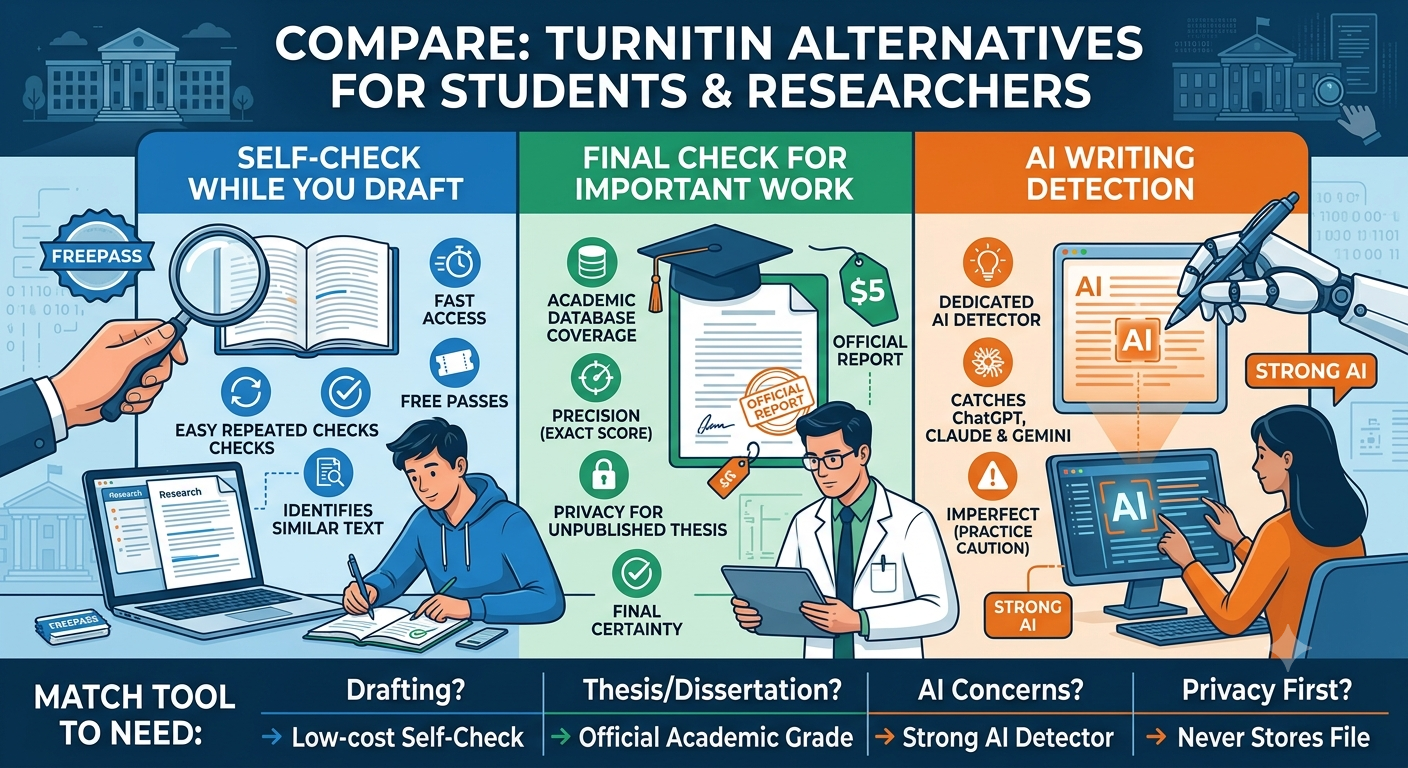
Turnitin Alternatives for Students and Researchers
July 3, 2026
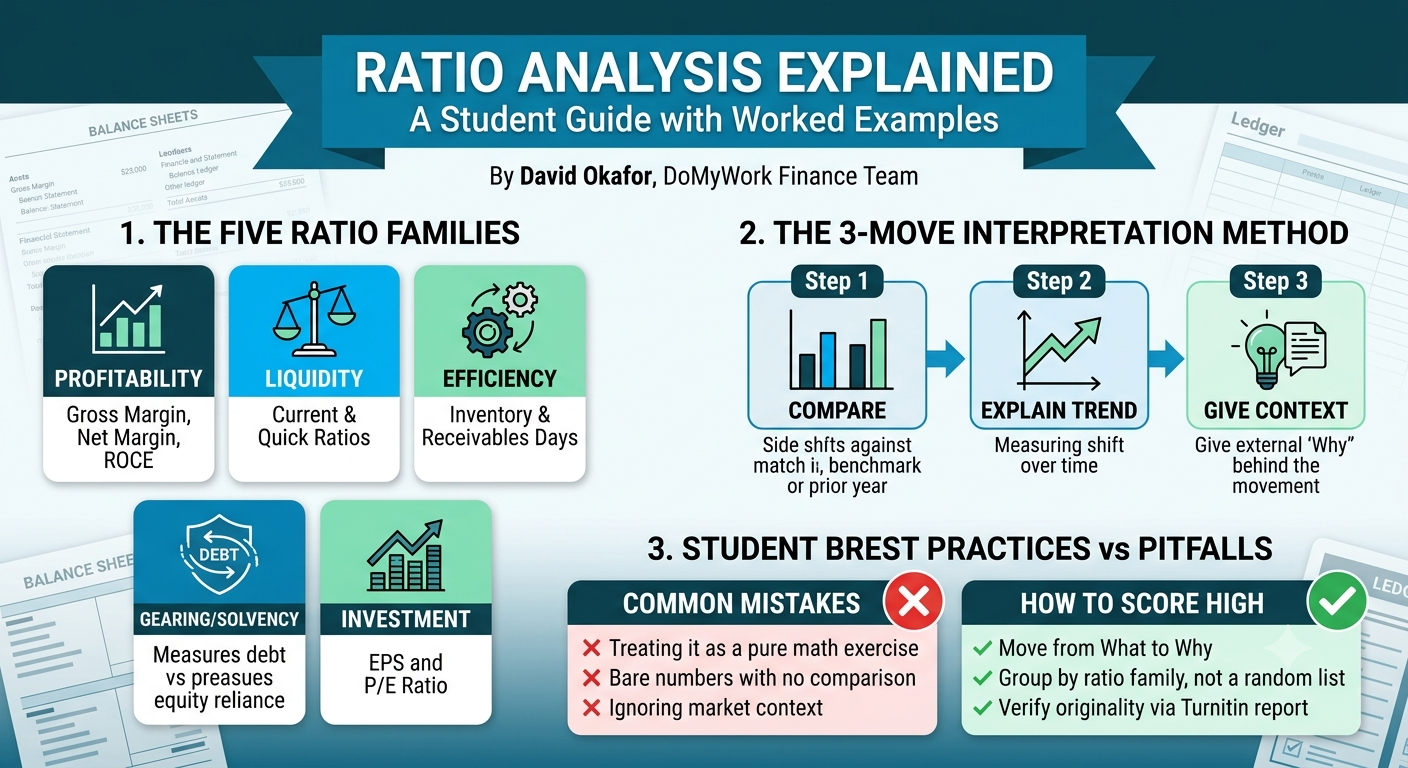
Ratio Analysis Explained: A Student Guide With Worked Examples
July 14, 2026

Want more tips & great deals? Get them sent to your inbox
Please enter a valid E-mail
By clicking "Subscribe" you agree to be contacted via e-mail. You can always unsubscribe from the newsletter