

Ready by 11:02pm Sep 11, 2026
How to Write a Nursing Essay: A Step-by-Step Guide for UK Students
A nursing essay is not just an essay about healthcare. It asks you to do something most other essays do not: connect academic theory to real clinical practice, back every claim with current evidence, and show that you can think like a practitioner as well as a student. Get that link right and the marks follow. Miss it, and even well-written work stalls in the 2:2 band.
This guide walks through what a nursing essay is actually testing, how to structure one, when to use a reflective model, and the mistakes that quietly cost marks at UK universities.
What is a nursing essay actually testing?
Markers are looking for four things at once. First, accurate knowledge of the topic and its terminology. Second, evidence-based practice — the ability to support what you say with research, guidelines and policy rather than opinion. Third, critical analysis, which means weighing the strength of that evidence rather than just reporting it. Fourth, application to practice: showing how the theory changes what a nurse would actually do at the bedside. A First-Class nursing essay does all four. A weaker one describes without evaluating and quotes without applying.
How should you structure a nursing essay?
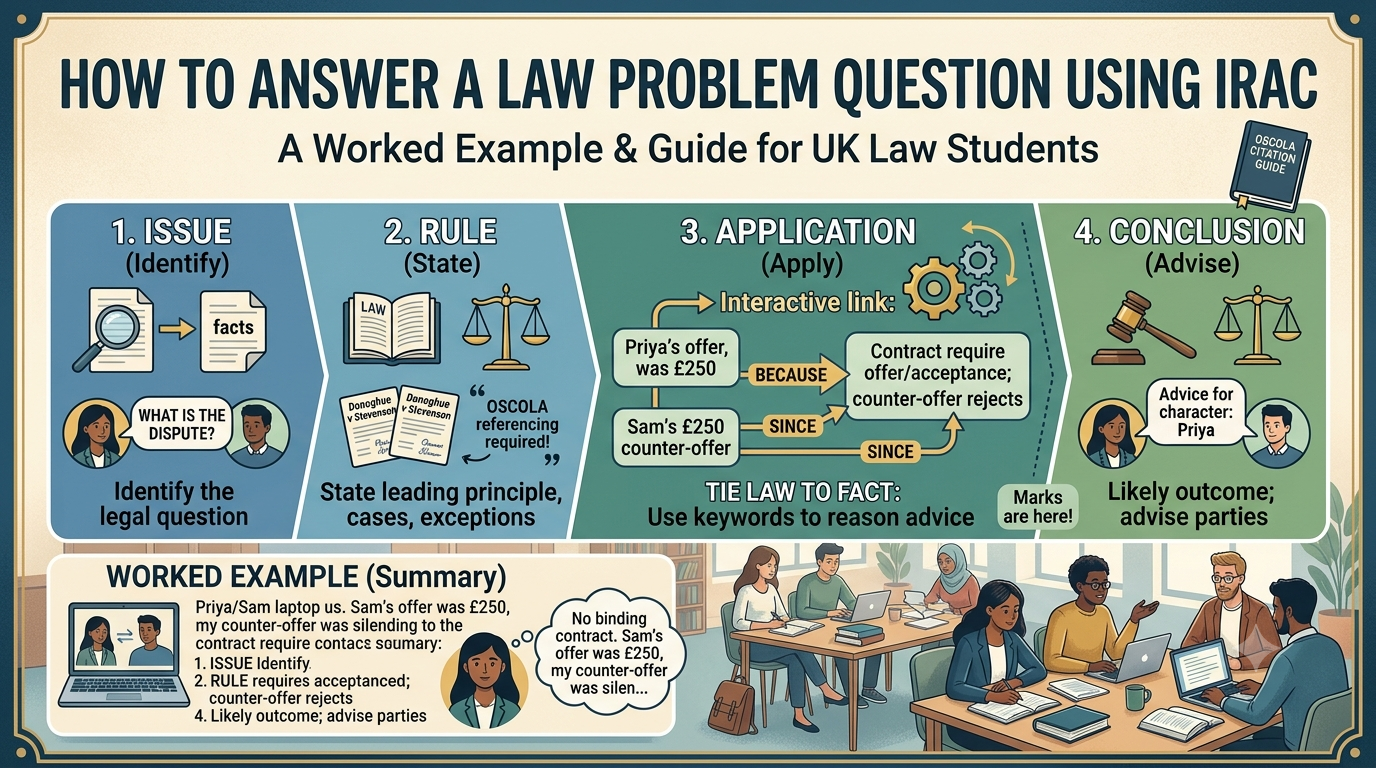
Most nursing essays use the same three-part shape as any academic essay, and the proportions matter. Your introduction should be around ten per cent of the word count: set out the topic, why it matters to practice, and the line your essay will take. The main body is where the marks live — one point per paragraph, each built on the PEEL pattern of point, evidence, explanation and link back to the question. The conclusion draws the threads together and states what it all means for practice, without introducing anything new.
If you want a fuller framework for building each paragraph and pushing into the top band, our guide on how to write a First-Class essay lays out the writing structure step by step.
Working on a nursing paper or assignment? Get subject-specific support.
Nursing coursework often requires clinical reasoning, evidence-based research and accurate academic referencing. Explore our nursing paper writing support for university-level nursing work.
Should you use a reflective model?
Many nursing assignments are reflective — they ask you to analyse a placement experience rather than argue a case. When that is the brief, a recognised model keeps your reflection structured instead of drifting into a diary entry. Gibbs’ Reflective Cycle is the one most UK nursing courses teach, moving through description, feelings, evaluation, analysis, conclusion and action plan. For shorter pieces, Driscoll’s What? So What? Now What? is a simpler alternative. The model is scaffolding, not the point: the marks come from the analysis stage, where you explain why something happened and what the evidence says about it, not from simply narrating events.
How do you use evidence and sources?
Healthcare evidence dates fast, so currency counts. Lean on peer-reviewed journal articles, systematic reviews, NICE and Cochrane guidance, and the NMC Code, and treat textbooks as background rather than your main authority. A common trap is stacking references to pad the list — markers can tell. Each source should earn its place by supporting a specific claim, and where sources disagree, saying so and taking a reasoned position is exactly the critical analysis that lifts a grade.
Referencing itself is easy marks that too many students throw away. UK nursing departments usually expect Harvard, so if you are unsure how in-text citations and the reference list fit together, our Harvard referencing guide covers it in plain English.
How is a nursing essay marked?
Understanding the rubric before you write is one of the biggest advantages you can give yourself. The band you land in is decided less by how much you write and more by how much you analyse and evidence. Our breakdown of what UK university markers actually look for shows how the grade boundaries map onto knowledge, critical analysis, structure and use of sources — read it alongside your own module rubric.
Common mistakes that cost marks
| Mistake | Fix |
|---|---|
| Describing more than analysing | After each point, ask “so what does this mean for practice?” and answer it |
| Claims with no evidence behind them | Support every assertion with a current, cited source |
| Naming a real patient or ward | Anonymise everything — the NMC Code requires confidentiality, even in coursework |
| Relying on old or non-academic sources | Prioritise recent peer-reviewed research and current guidelines |
Check your work before you submit
Referencing-heavy subjects like nursing naturally pick up similarity matches from quotes, guideline wording and reference lists, so it is worth seeing your report before a marker does. You can run your draft through the $5 Turnitin Plag Check and get your similarity and AI score back in minutes, with no university login, so you walk into submission knowing exactly where you stand.
Stuck on a nursing brief, or want an expert model answer to learn from before you write your own? DoMyWork’s nursing assignment help is written by postgraduate subject specialists and delivered as original reference and study material you can check against your own work.
Frequently asked questions
Can I write a nursing essay in the first person?
For a reflective essay, yes — reflection is personal, so first person is expected. For an academic or evidence-based essay, most UK departments still prefer the third person. Always follow your module handbook, because the convention varies by assignment type.
How many sources should a nursing essay use?
As a rough guide, aim for one to two quality sources per hundred words, weighted towards recent peer-reviewed research, NICE guidelines and the NMC Code. Range and currency matter more than raw numbers.
Which reflective model should I use?
Gibbs’ Reflective Cycle is the most widely taught in UK nursing and suits structured reflection. Driscoll’s model is a simpler option for shorter pieces. Use whichever your course specifies.


Want more tips & great deals? Get them sent to your inbox
Please enter a valid E-mail
By clicking "Subscribe" you agree to be contacted via e-mail. You can always unsubscribe from the newsletter


